Supporting the "Glass Forever" Programme
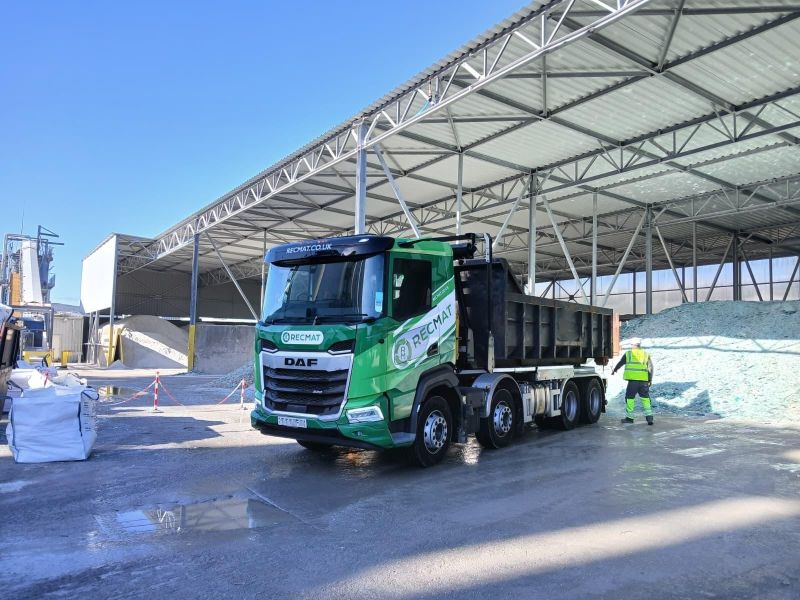
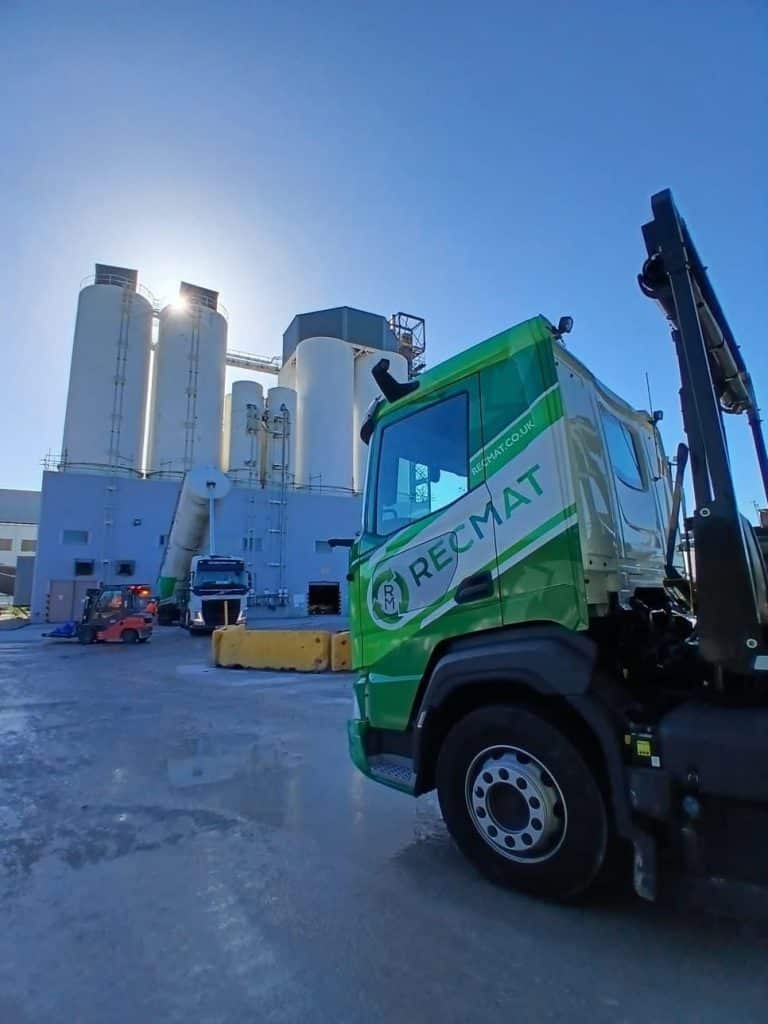
RecMat is pleased to confirm the delivery of another load of high‑quality recycled glass as part of the Saint‑Gobain Glass UK and Ireland “Glass Forever” programme, a key initiative driving closed‑loop recycling and circularity within the flat glass sector. As part of Fry Group, RecMat continues to play an important role in supporting responsible material management and helping the construction industry move towards a more sustainable and resource‑efficient future.
Each consignment represents more than a delivery. It reflects growing collaboration across the supply chain, a shared commitment to reducing waste, and a practical demonstration of how end‑of‑life glass can be recovered, processed and returned to production for reuse in the next generation of buildings.
A Practical Example of Circularity in Action
The “Glass Forever” programme sets a clear benchmark for sustainable glass manufacturing. By maximising recovery rates, increasing recycled content and embedding circular principles into flat glass production, Saint‑Gobain continues to demonstrate how environmental responsibility can be achieved through practical innovation rather than theory alone.
At the heart of the programme is a simple but powerful concept: glass should never become waste. Instead, it should be recovered from buildings at the end of their life, transported safely, inspected, processed and remanufactured into high‑performance flat glass products ready for reuse. This closed‑loop approach reduces reliance on virgin raw materials and lowers the environmental footprint associated with glass manufacturing.
RecMat is proud to support this process by collecting, processing and returning high‑quality glass cullet back into the supply chain, ensuring that valuable material remains in productive use rather than being lost to landfill.
Supporting the Full Journey of End‑of‑Life Glass
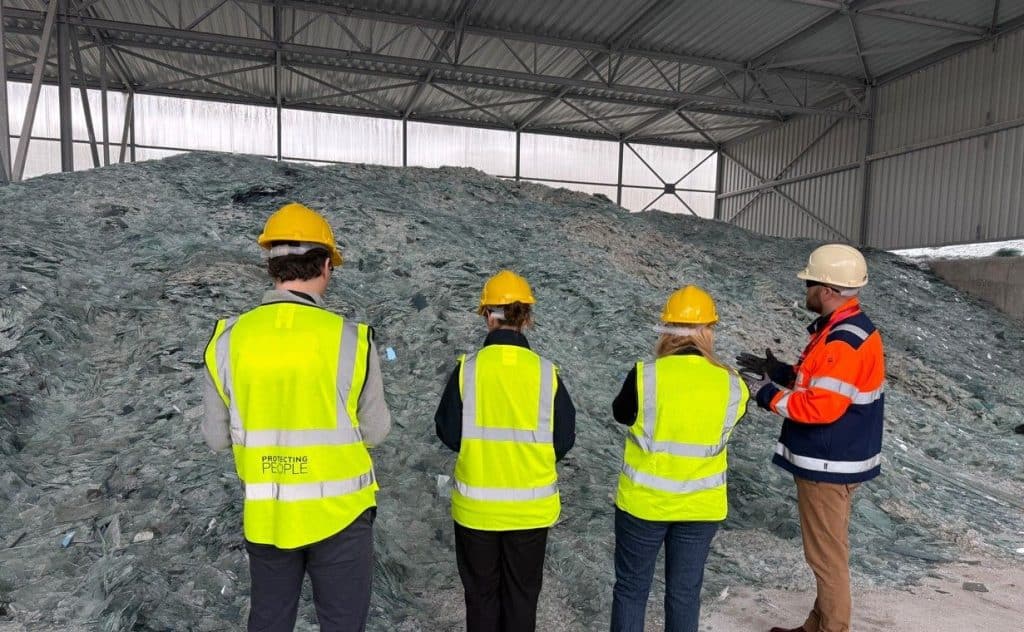
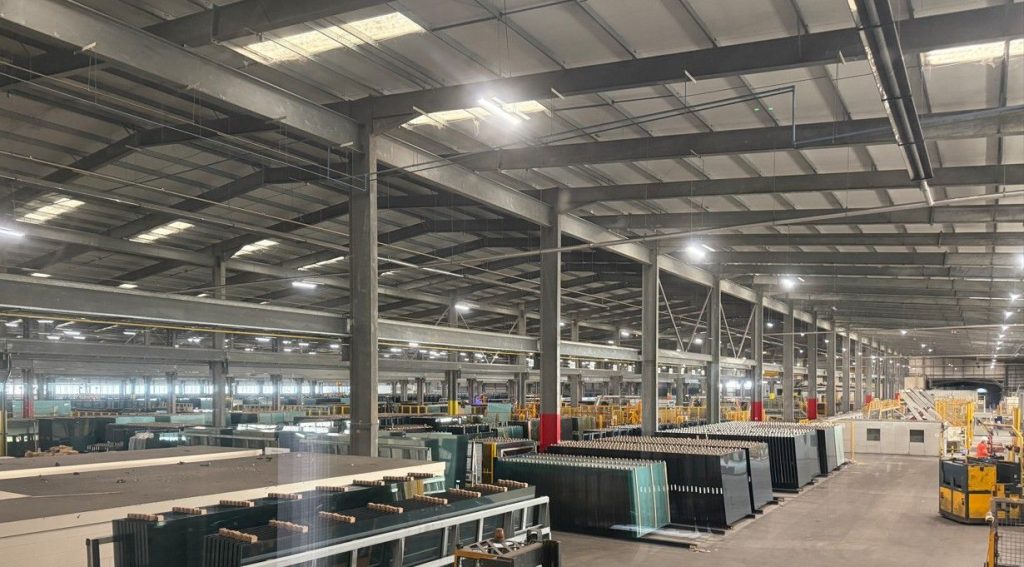
Recent activity at Saint‑Gobain’s Glass factory in Eggborough provided a clear illustration of how the closed‑loop system works in practice. Visitors, including project partners from across the industry, were able to follow the complete journey of end‑of‑life glass from deglazing during live building deconstruction, through transport, inspection and processing, and ultimately back into manufacturing.
This transparent, end‑to‑end process highlights the importance of collaboration between contractors, logistics providers, processors and manufacturers. RecMat’s role within this chain ensures that glass recovered directly from deconstruction projects is handled responsibly, consistently and to the quality standards required for remanufacture.
As part of this process, RecMat recently delivered multiple RoRo skips of recovered glass from live projects, reinforcing the practicality and scalability of closed‑loop recycling when the right systems and partnerships are in place.
RecMat’s Role in Strengthening the Circular Supply Chain
RecMat’s involvement in the “Glass Forever” programme reflects a wider commitment to responsible resource recovery and material reuse. By working closely with Saint‑Gobain and project partners, RecMat provides a reliable route for glass to be collected, processed and returned to production without compromising quality or performance.
High‑quality cullet is essential to the success of closed‑loop recycling. The material must be carefully managed, free from contamination and consistent in specification. RecMat’s experience in material recovery and processing ensures that recovered glass meets the required standards, supporting efficient remanufacturing and helping maintain performance expectations for new flat glass products.
This approach not only reduces waste but also supports reduced carbon emissions associated with raw material extraction and energy‑intensive manufacturing processes.
Collaboration Across the Construction Industry
One of the key strengths of the “Glass Forever” programme is the level of collaboration it encourages across the construction and demolition supply chain. From asset owners and deconstruction teams to processors and manufacturers, each party plays a vital role in making circularity achievable at scale.
Site visits and shared project experiences help raise awareness, improve understanding and demonstrate that closed‑loop recycling is already happening, not as a future concept, but as a practical, operational reality.
Seeing glass successfully move from deconstruction back into production helps build confidence across the industry and encourages wider adoption.
RecMat values these opportunities to engage openly with partners and demonstrate how recovered materials can be reintegrated into the supply chain effectively, safely and responsibly.
Delivering Measurable Environmental Benefits
Glass recycling delivers clear environmental benefits. By increasing recycled content in production, manufacturers reduce energy consumption and carbon emissions while conserving natural raw materials. Closed‑loop recycling takes this a step further, ensuring that recovered glass remains within the same supply chain rather than being down‑cycled or disposed of.
Through its involvement in the “Glass Forever” programme, RecMat contributes directly to these outcomes. Each load of recovered glass represents material saved, waste avoided and progress towards a more sustainable built environment.
This aligns closely with the broader objectives of clients, contractors and developers who are increasingly seeking measurable environmental improvements across their projects.
A Shared Commitment to Long‑Term Sustainability
Sustainability is not achieved through isolated actions. It requires long‑term commitment, consistent investment and strong partnerships. Saint‑Gobain’s leadership in promoting circularity within the flat glass industry demonstrates how established manufacturers can drive meaningful change when sustainability is embedded into operational strategy.
RecMat’s continued support for the programme reflects the same long‑term mindset. By investing in systems, processes and relationships that support material recovery and reuse, RecMat helps ensure that circular solutions remain viable, scalable and commercially realistic for the construction sector.
As demand for sustainable construction continues to grow, these approaches will play an increasingly important role in meeting regulatory, environmental and social expectations.
Building Momentum, One Delivery at a Time
While circularity is often discussed in strategic terms, it is delivered through practical action on the ground. Each recovered load of glass, each successful processing operation and each remanufactured pane contributes to wider progress across the industry.
RecMat is encouraged to play its part in this journey. Working alongside Saint‑Gobain and supply chain partners, the business continues to support initiatives that demonstrate how materials can be reused again and again without loss of performance.
The “Glass Forever” programme shows what is possible when collaboration, innovation and commitment come together.
Conclusion
RecMat’s ongoing involvement in Saint‑Gobain Glass UK and Ireland’s “Glass Forever” programme highlights the value of partnership in delivering truly circular solutions for construction materials. By collecting, processing and returning high‑quality recycled glass back into the manufacturing supply chain, RecMat helps ensure that glass remains a valuable resource rather than a waste product.
As the industry continues to prioritise sustainability, programmes like this provide a clear, evidence‑based pathway for reducing environmental impact while maintaining performance and quality. RecMat is proud to contribute to this progress and looks forward to supporting further deliveries, partnerships and innovation as the circular economy for glass continues to grow.
If you’re a demolition contractor in need of dependable glass recycling solutions, RecMat offers trusted support through our RORO bin hire services for demolition projects, helping keep recovered glass within the circular supply chain.
Together, meaningful change is being delivered — one load at a time.